Designing for an Uncertain Climate: How do we prepare for the next 10 years?
As our cities face an increasingly uncertain climate, resilience begins with how we care for our buildings, improve our neighbourhoods and work together with the communities who call them home.
What will our cities look like ten years from now? And how can we prepare for a future we cannot fully predict?
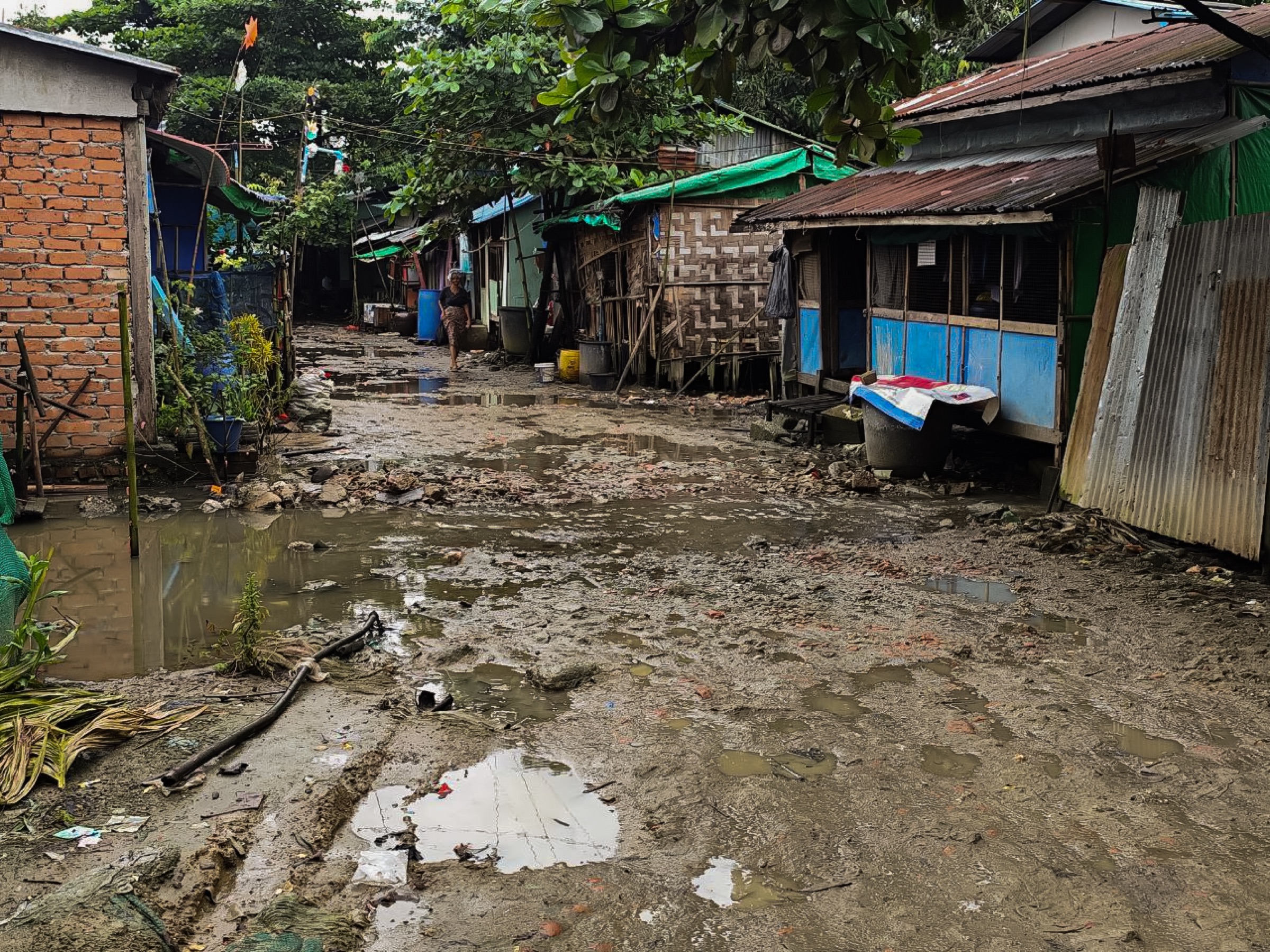
Rising temperatures, unpredictable rainfall and flooding are changing the way we think about our built environment. In Myanmar, these challenges add to existing pressures on ageing buildings, public infrastructure and communities with limited resources to prepare for and recover from disasters.
For those of us working in architecture, heritage conservation and urban development, this raises an important question: if the future is becoming less predictable, how should we design today?
At Doh Eain, we believe the answer begins with looking beyond individual buildings. Resilience is not just about constructing stronger structures or protecting places from disasters. It is also about creating liveable neighbourhoods, supporting local knowledge and strengthening the capacity of communities to adapt as conditions change.
Looking at what we already have
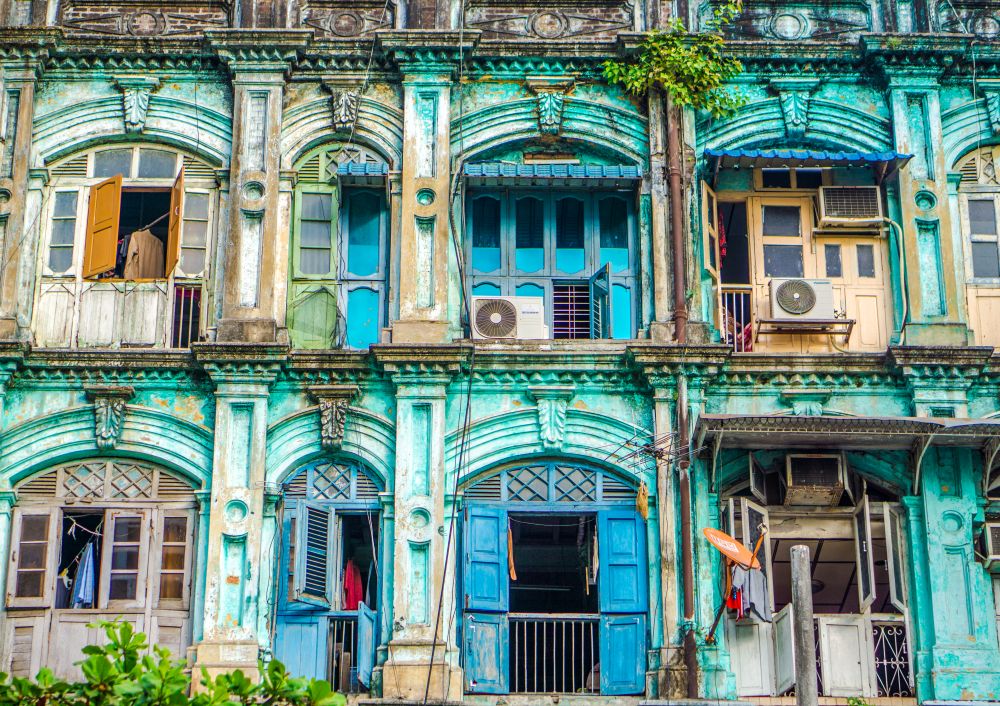
Preparing for the future does not always mean building something new. Sometimes, it begins with understanding the value of what already exists.
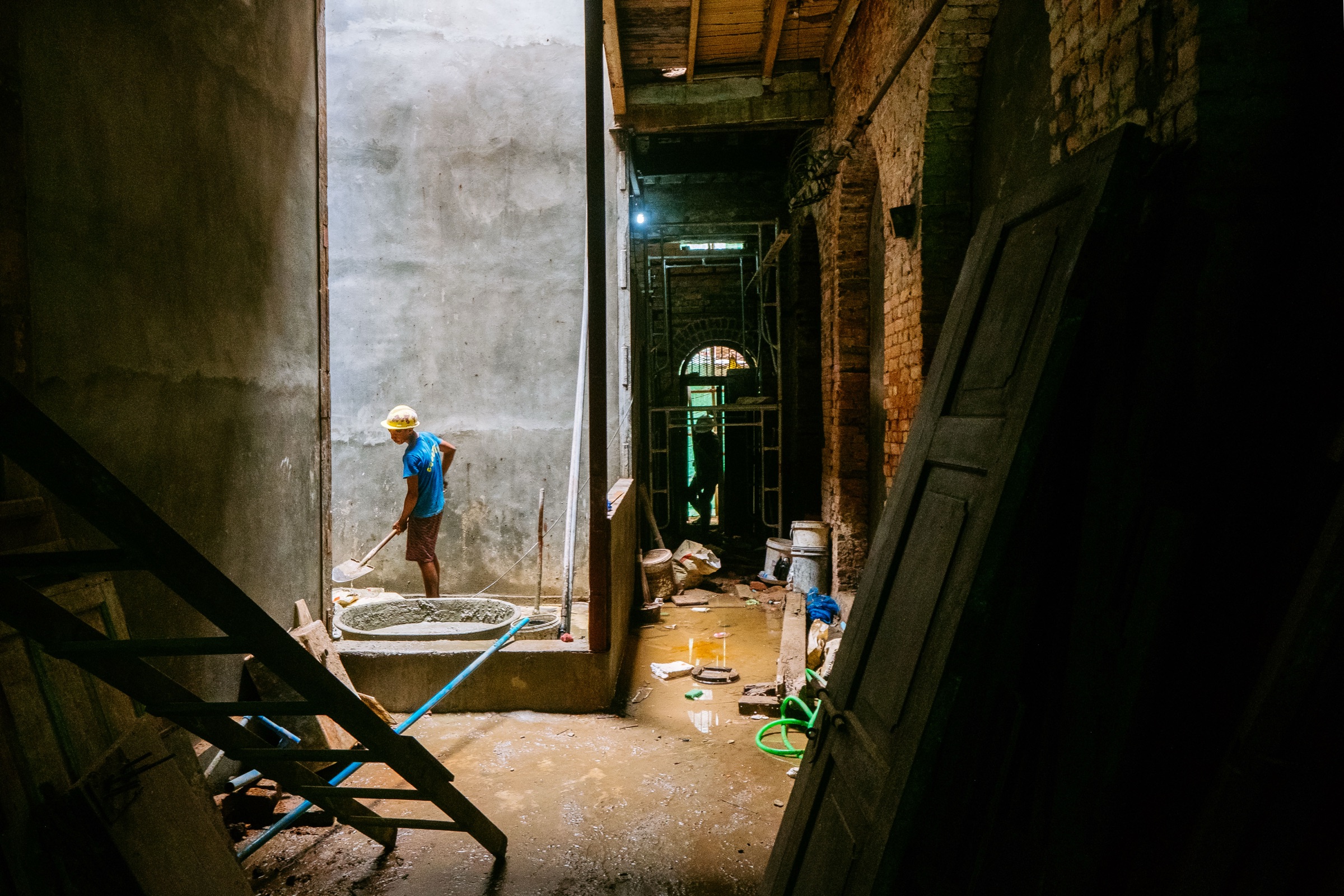
Yangon's historic buildings offer lessons in responding to a tropical climate. Deep verandas, shaded courtyards, high ceilings and timber shutters reflect generations of knowledge about ventilation, shade and everyday comfort. With thoughtful restoration and appropriate improvements, these buildings can continue serving communities while contributing to a more climate-responsive built environment.
The same principle applies to our neighbourhoods. Existing streets, public spaces and community facilities can be improved to provide shade, manage rainfall and support everyday activities. Small, well-planned interventions can make a meaningful difference when they respond to local needs and work together as part of a wider system.
For us, heritage conservation and climate adaptation are not separate conversations. Both ask us to understand the places we have inherited and consider how they can continue to serve future generations.
Resilience starts with people
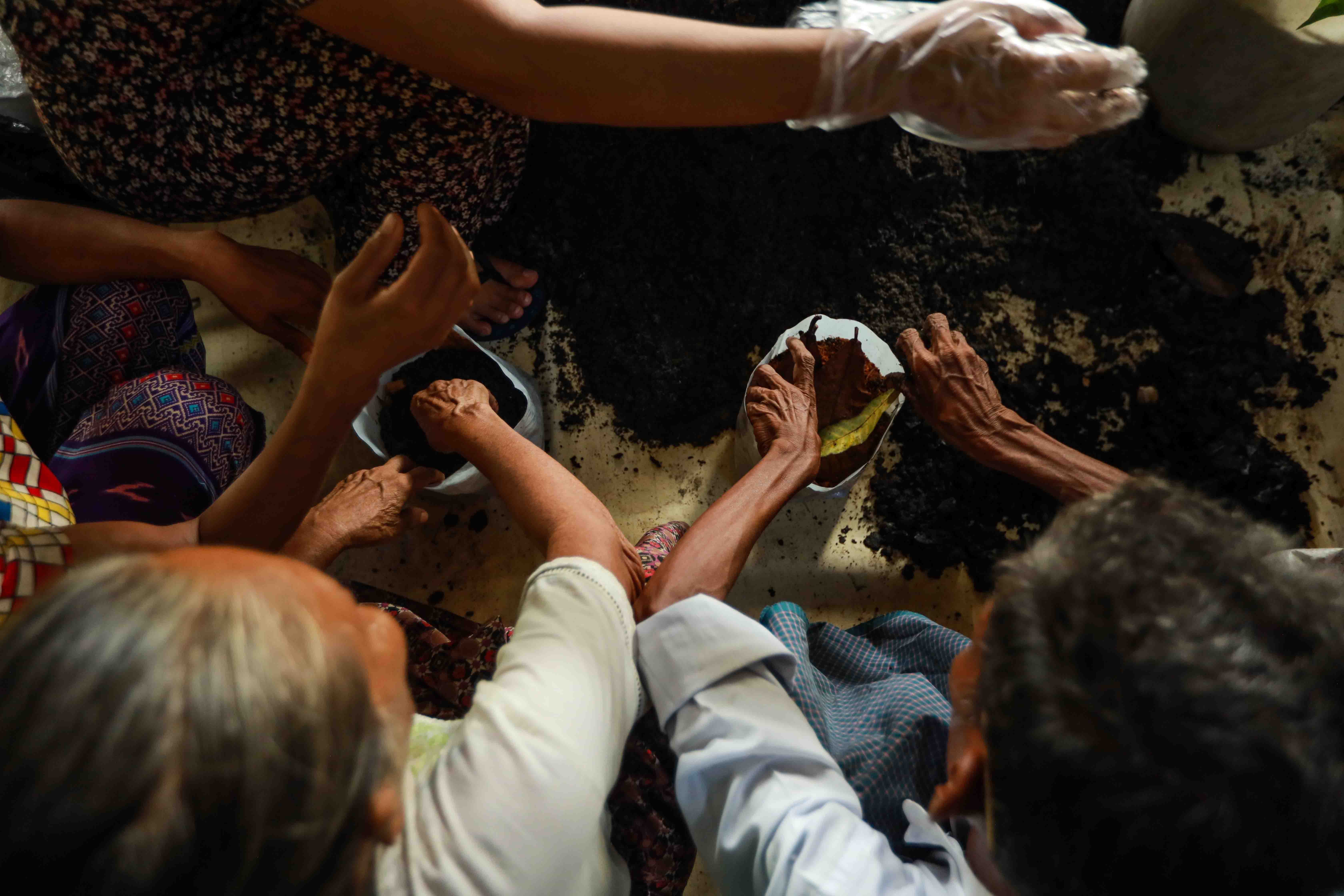
A neighbourhood is more than its buildings and infrastructure. It is shaped by the people who live, work and interact there.
Residents often understand local challenges in ways that technical assessments alone cannot capture. They know which streets flood after heavy rain, where shade is most needed and how everyday life is disrupted when essential services fail.
This knowledge matters. By working with communities to identify risks and priorities, we can develop solutions that are more practical, inclusive and responsive to local conditions.
Community participation should go beyond consultation. People should have a meaningful role in shaping improvements to their own neighbourhoods, helping ensure that interventions reflect their needs and can be sustained over time.
This is central to Doh Eain's approach to participatory placemaking: improving the built environment while strengthening the relationship between people and the places they inhabit.
Making adaptation practical
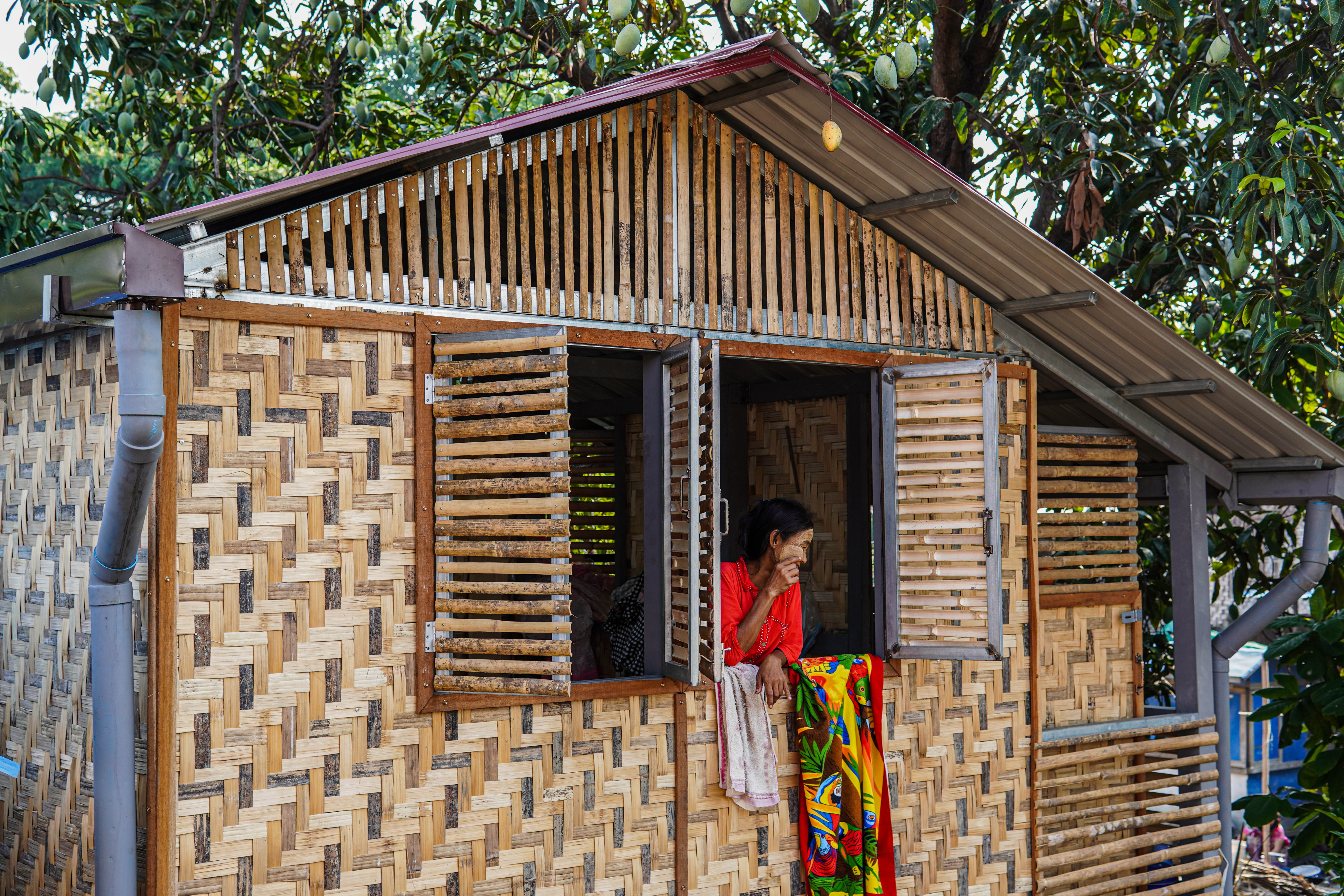
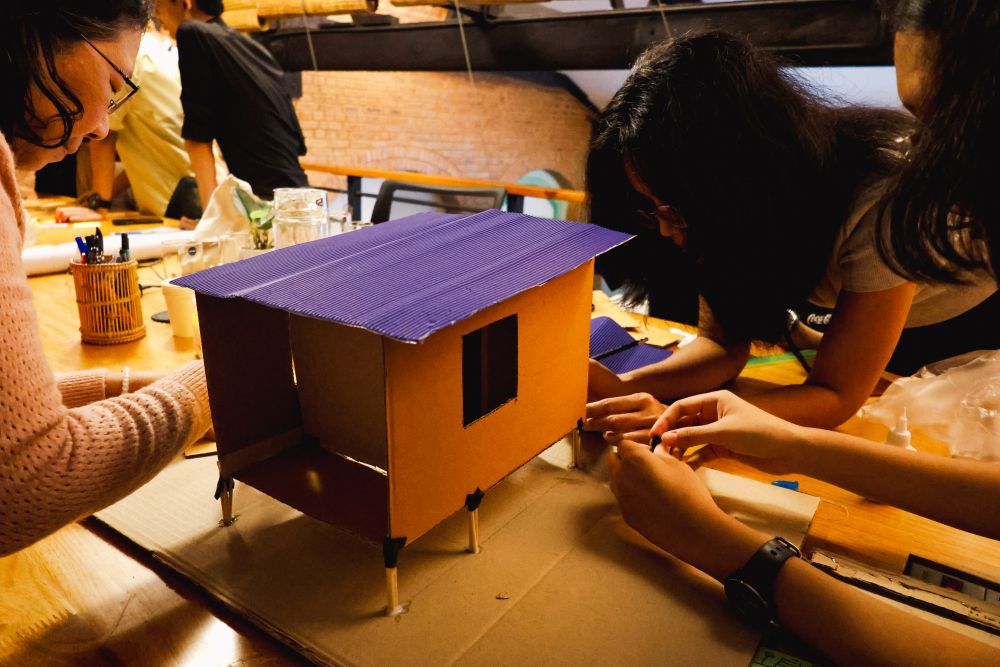
Climate resilience does not have to begin with large-scale infrastructure projects. Improvements to existing buildings, better shading and ventilation, appropriate drainage and more accessible public spaces can all contribute to safer and more comfortable environments.
But good design is only part of the solution. We also need skilled workers, affordable materials, practical construction knowledge and long-term maintenance.
Through initiatives such as Build Better Eain and our work in construction skills development, including Women in Construction, there is an opportunity to connect climate-responsive building improvements with local skills and livelihoods.
The goal is not simply to deliver individual projects, but to help build the knowledge and capacity needed to make adaptation more accessible and sustainable.
Designing for the long term
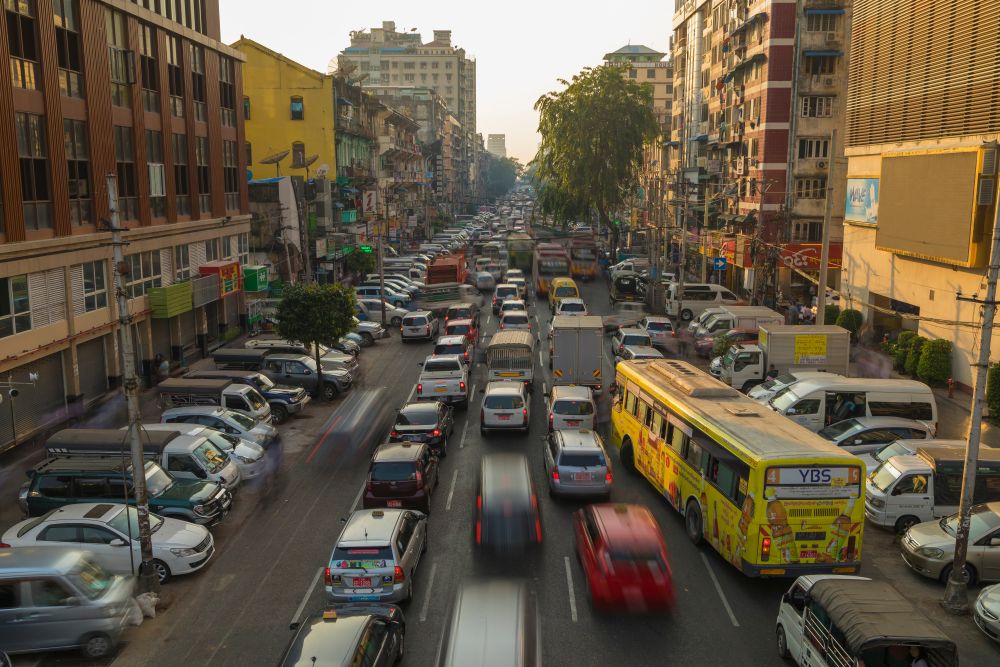
A restored building or an improved public space is only the beginning. Its long-term value depends on how it is maintained, how people use it and whether it can respond to changing needs.
As we look towards the next decade, we need to think differently about what makes a project successful. Beyond what we build, we should consider whether homes become more comfortable, neighbourhoods become more liveable and communities are better equipped to face future challenges.
We may not know exactly what the next ten years will bring. But we can make choices today that reduce vulnerability, strengthen local capacity and create places that are better prepared for change.
At Doh Eain, we see climate resilience as a shared, ongoing process: caring for the places we have inherited, improving the places we inhabit today, and working together to create more liveable and resilient neighbourhoods for tomorrow.